Understanding Progressive Myopia in Children

In recent years, progressive myopia — or childhood nearsightedness that worsens over time — has become one of the fastest-growing vision problems among children. With increasing screen exposure, reduced outdoor activity, and academic strain, more kids are developing stronger prescriptions every year. At Diveeksha Eye Clinic, Noida, we frequently see parents worried that their child’s glasses number keeps increasing. Understanding the cause, progression, and management of myopia is crucial for protecting your child’s long-term vision.

What Is Progressive Myopia?

Myopia (nearsightedness) means the child can see nearby objects clearly, but distant objects appear blurry. Progressive myopia occurs when the condition continues to worsen each year, causing the eyeball to elongate abnormally and increasing the risk of serious eye diseases later in life, such as:

  • Retinal detachment
  • Glaucoma
  • Early cataract formation
  • Macular degeneration

Early detection through regular checkups at an eye test clinic in Noida can prevent these complications.

Common Symptoms

Parents should watch for the following indicators of myopia in children:

  • Squinting while watching TV or reading the board in class
  • Holding books or screens very close
  • Frequent headaches or eye strain
  • Poor night vision or difficulty focusing
  • Falling academic performance due to vision issues

If you notice these signs, schedule an eye checkup near me immediately. Early diagnosis helps slow progression and protect vision.

Causes and Risk Factors

Modern lifestyle changes have made myopia more common among children. Key risk factors include:

  • Excessive Screen Time – Prolonged use of mobile phones, tablets, and computers increases eye strain.
  • Lack of Outdoor Play – Reduced exposure to natural light contributes to abnormal eye growth.
  • Genetic Factors – Children with myopic parents are more likely to develop progressive myopia.
  • Poor Visual Habits – Reading in dim light or holding books too close strains the eyes.

Encouraging outdoor activities and maintaining proper screen habits can significantly reduce risk.

How Progressive Myopia Is Diagnosed

At Diveeksha Eye Clinic, Sector 20 Noida, we use advanced diagnostic tools to accurately assess a child’s eye health.

  • Retinoscopy – Measures clarity of vision.
  • Comprehensive Vision Testing – Detects early changes even before symptoms worsen.
  • Axial Length Measurement – Monitors the elongation of the eyeball.
  • Corneal Topography – Evaluates corneal shape and curvature.

Regular visits to an eye test clinic in Noida ensure timely monitoring and treatment.

Modern Treatment Options for Progressive Myopia

Thanks to modern pediatric ophthalmology, there are several safe and effective ways to control myopia progression:

Orthokeratology (Ortho-K) Lenses:

Special night-time contact lenses reshape the cornea temporarily, helping children see clearly during the day and slowing eye elongation.

Atropine Eye Drops:

Low-dose atropine drops have shown excellent results in reducing the rate of myopia progression.

Specialized Myopia Control Glasses:

Lenses with specific designs reduce strain and control visual signals that cause myopia progression.

Lifestyle Modifications:

Encouraging 1–2 hours of outdoor play daily and limiting near-screen activity can greatly help.

Regular Follow-ups:

Periodic checkups at a trusted eye clinic near me help track vision changes and adjust treatment accordingly.

Why Choose Diveeksha Eye Clinic in Noida?

At Diveeksha Eye Clinic, Sector 20 Noida, our child-friendly environment and advanced eye diagnostic technology make us one of the best centers for managing pediatric eye conditions like progressive myopia, cataract surgery in Noida, and LASIK eye surgery for adults.

Why parents trust us:
  • Experienced pediatric ophthalmologists
  • Non-invasive, safe diagnostic tools
  • Personalized myopia management plans
  • Convenient and comfortable eye test experience

Protecting your child’s sight starts with one step — scheduling a routine eye checkup near you today.
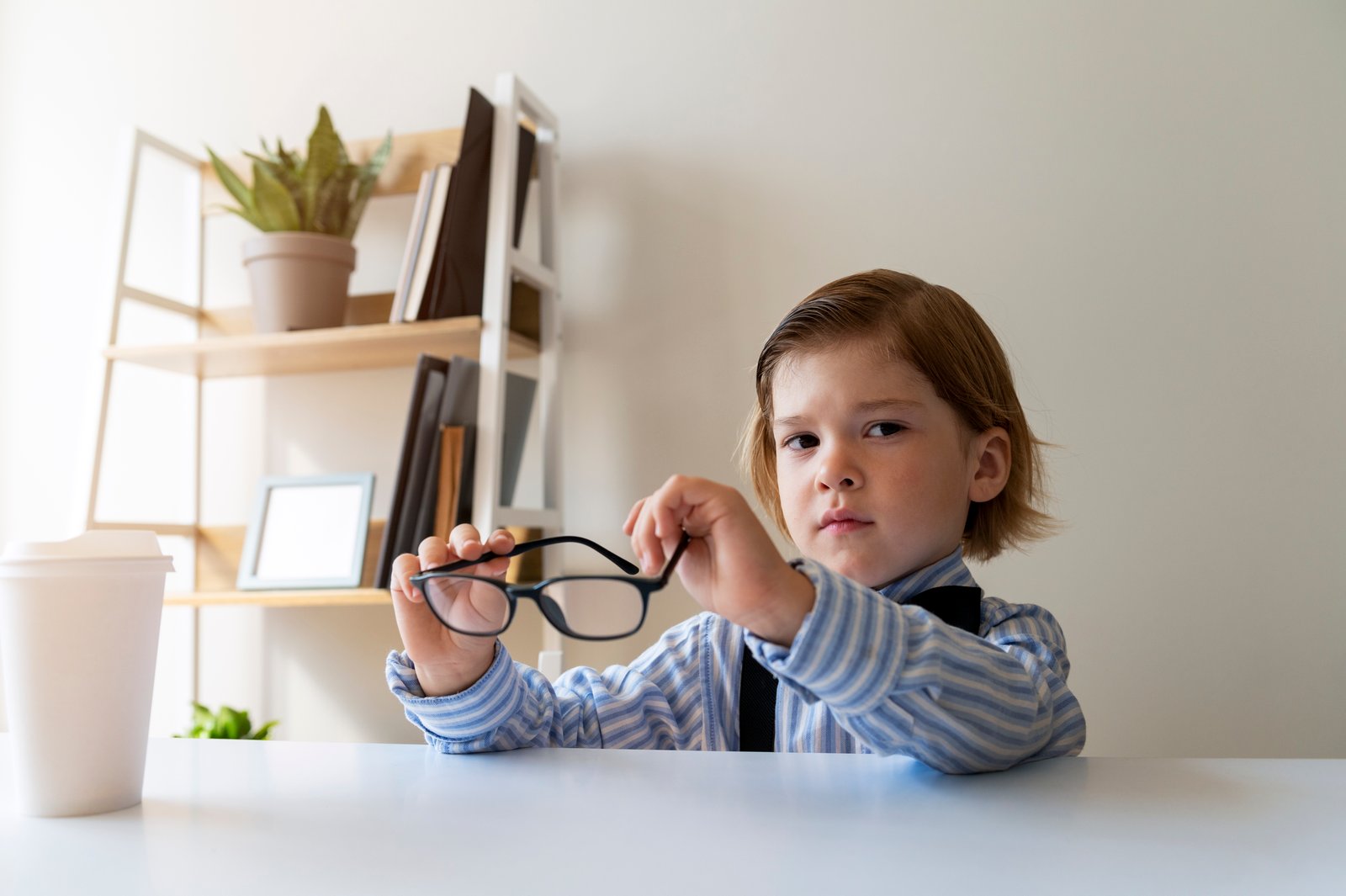

Child undergoing an eye test at a trusted eye clinic in Noida for progressive myopia detection

Frequently Asked Questions

Progressive myopia is a form of nearsightedness where the child’s prescription continues to worsen each year due to eye elongation.

While it can’t be completely stopped, treatments like atropine drops, orthokeratology lenses, and lifestyle changes can slow down its progression.

Children should have a complete eye checkup near me every 6–12 months, especially if they already wear glasses.

Yes, prolonged screen use increases digital eye strain and may accelerate myopia. The 20-20-20 rule (look 20 feet away every 20 minutes for 20 seconds) helps.

Visit Diveeksha Eye Clinic, Sector 20 Noida — a trusted center offering pediatric eye care, vision correction, and advanced diagnostic facilities.
Our Services
Contact Us
Monday - Friday 08.00 - 18.00
100 S Main St, New York,
contact@dentiacare.com
About Us

At Dentia, we’re dedicated to providing high-quality, personalized dental care for patients of all ages. Our skilled team uses the latest technology to ensure comfortable, efficient treatments and beautiful, healthy smiles for life.